Sustainable Construction··5 min read
What Is a Net Zero Building? Why It Matters for the Construction Industry
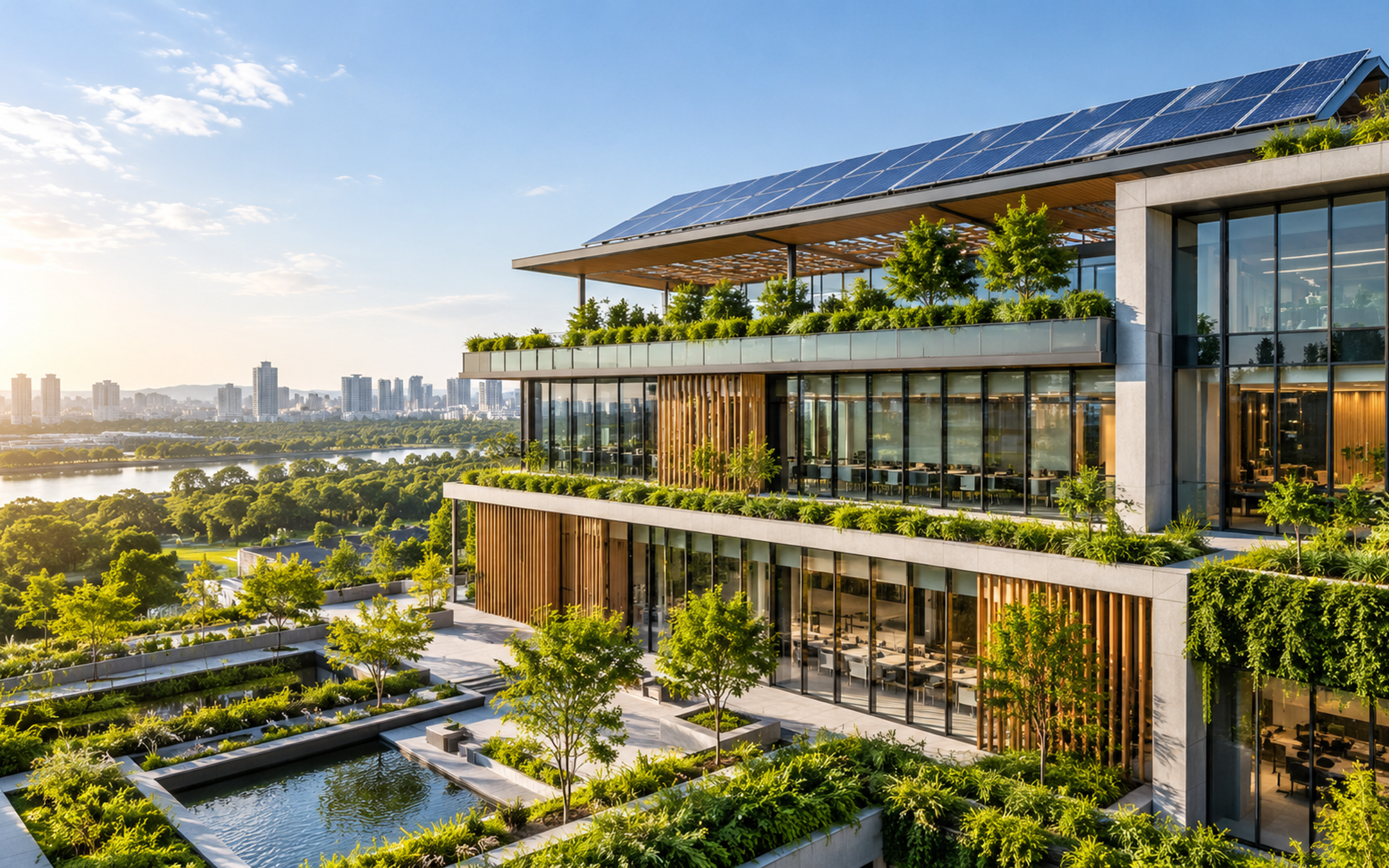
What Is a Net Zero Building? Why It Matters for the Construction Industry
As the world faces the growing challenges of climate change, governments and organizations are increasingly committing to reducing greenhouse gas emissions and pursuing long-term sustainability goals.
The building and construction industry plays an important role in this transition. Buildings consume energy and generate carbon emissions throughout their life cycles, from material production and construction to daily operation, maintenance, and eventual demolition.
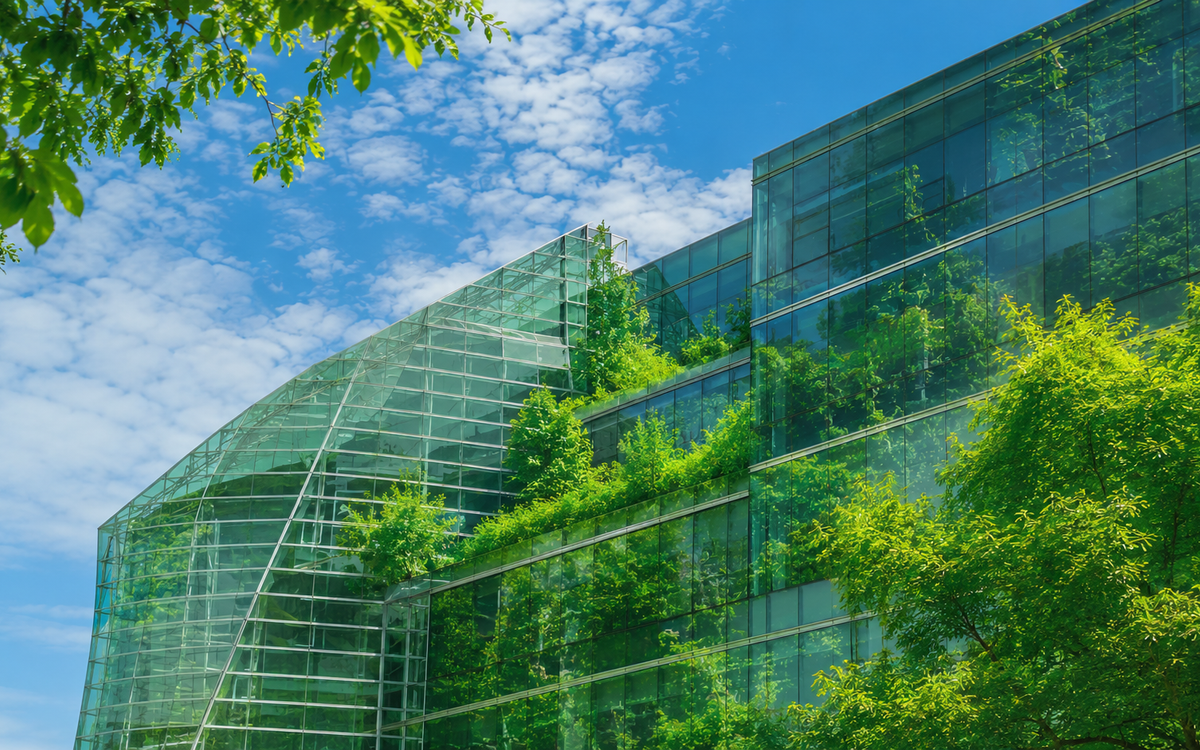
As a result, Net Zero Building has emerged as an important concept in the development of more sustainable buildings.
1. What Is a Net Zero Building?
A Net Zero Building is generally understood as a building designed and operated to achieve a defined net zero environmental or carbon performance target.
However, the term can refer to different objectives, including:
- Net Zero Energy: A building that achieves a net annual energy balance of zero under a defined assessment methodology.
- Net Zero Operational Carbon: A building that minimizes greenhouse gas emissions associated with its operation, uses low-carbon or renewable energy, and addresses unavoidable residual emissions in accordance with an applicable framework.
- Net Zero Whole Life Carbon: A broader approach that considers both operational emissions and embodied carbon generated throughout the building's life cycle.
For the purpose of this article, the main focus is on reducing operational carbon emissions, while also recognizing the importance of embodied carbon in construction materials and processes.
Achieving Net Zero is not simply about offsetting emissions. The priority is to reduce energy demand and carbon emissions as much as practically possible before addressing any remaining emissions through appropriate measures.
2. Key Elements of a Net Zero Building
2.1 Passive Design and Energy-Efficient Architecture
Effective building design is one of the first steps toward reducing operational energy consumption.
Passive design strategies may include:
- Maximizing suitable natural daylight
- Minimizing excessive solar heat gain
- Improving thermal performance of the building envelope
- Optimizing building orientation and shading systems
These strategies help reduce demand for artificial lighting and mechanical cooling while supporting occupant comfort.
2.2 High-Performance Building Systems
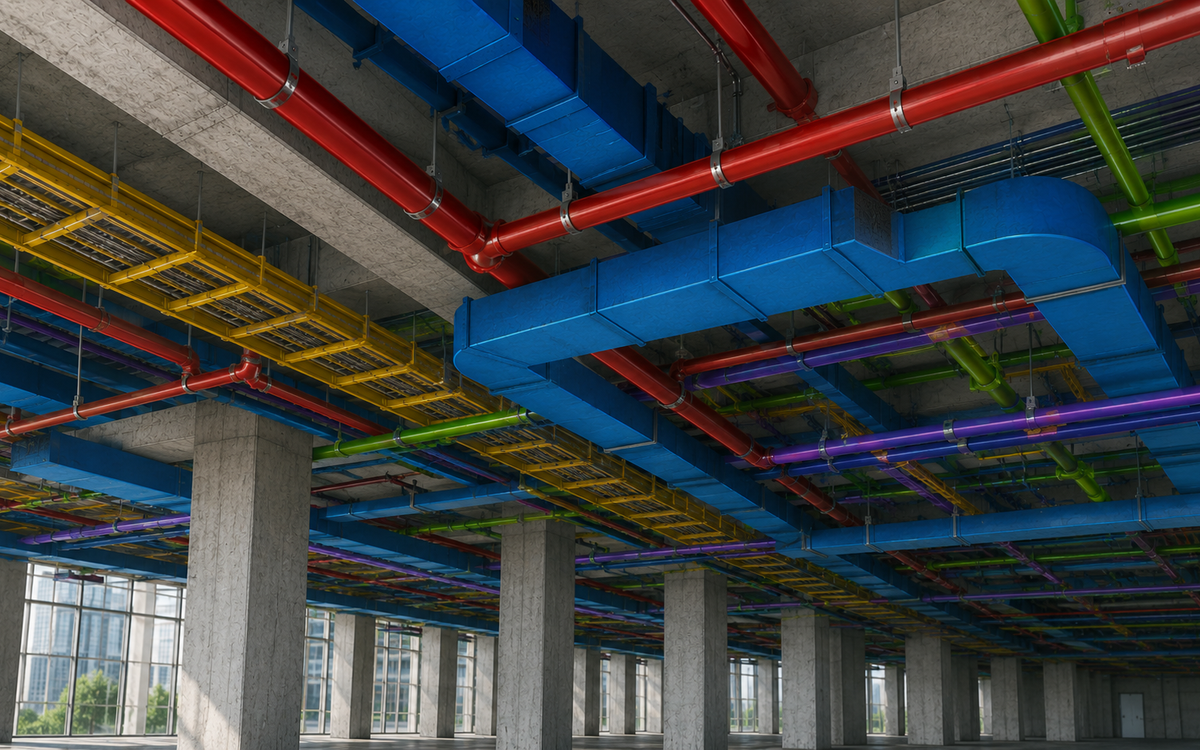
Mechanical and electrical systems contribute significantly to building energy consumption.
Energy-efficient building systems may include:
- High-efficiency air conditioning and ventilation systems
- Energy-efficient lighting and electrical equipment
- Building Automation Systems (BAS)
- Energy monitoring and management systems
Integrating these systems into the overall building design can improve operational efficiency and support long-term energy management.
2.3 Renewable Energy Integration
Renewable energy is another important component of building decarbonization.
Examples include:
- Solar photovoltaic (Solar PV) systems
- Solar thermal systems
- Renewable electricity supplied through appropriate off-site arrangements
The most suitable solution depends on the building's energy demand, location, available space, technical requirements, and applicable assessment framework.
2.4 Low-Carbon Construction Materials
In addition to operational energy, the construction industry must consider the environmental impact of building materials.
Embodied Carbon refers to carbon emissions associated with material production, transportation, construction, maintenance, replacement, and end-of-life processes.
Selecting materials with lower embodied carbon, improving resource efficiency, and minimizing construction waste can reduce a building's overall environmental impact.
Although embodied carbon is distinct from operational carbon, addressing both is increasingly important for achieving whole-life sustainability objectives.
3. Net Zero Building vs. Green Building
Although the concepts are closely related, Net Zero Building and Green Building have different areas of emphasis.
Green Building is a broad approach to improving a building's environmental performance across several dimensions, including:
- Energy efficiency
- Water conservation
- Sustainable materials and resources
- Indoor environmental quality
- Waste and environmental management
Net Zero Building, depending on the target framework, focuses on achieving a defined zero-balance objective, such as net zero energy or net zero operational carbon.
These approaches are complementary rather than mutually exclusive. Many developments combine Green Building principles with specific Net Zero targets to enhance long-term environmental performance.
4. Industry Trends and Future Development
Sustainability and decarbonization are becoming increasingly important considerations in the building and construction industry.
Governments, property developers, and corporations are incorporating energy efficiency and carbon reduction targets into their development strategies.
In Thailand, interest in high-performance and lower-carbon buildings is growing, particularly among office developments, industrial facilities, and projects aligned with Environmental, Social, and Governance (ESG) objectives.
As sustainability expectations evolve, integrating carbon reduction strategies from the early stages of project development is becoming increasingly relevant.
5. The Role of Project and Construction Management
Achieving Net Zero objectives requires coordination across multiple disciplines throughout the project life cycle.
Project Management (PM) and Construction Management (CM) can support the integration of sustainability requirements into planning, design coordination, procurement, construction, and handover.
Key responsibilities include:
- Early Planning: Supporting the establishment of sustainability objectives, project requirements, and implementation strategies.
- Multidisciplinary Coordination: Coordinating owners, designers, engineers, contractors, and relevant specialists.
- Quality Management: Monitoring construction work against approved designs, specifications, and sustainability-related requirements.
- Cost and Schedule Management: Balancing sustainability objectives with project budgets, construction schedules, and overall delivery requirements.
- Material and Procurement Coordination: Supporting the evaluation and procurement of materials and equipment that meet project requirements.
- Testing and Commissioning Coordination: Supporting building system testing, commissioning activities, and handover documentation.
Effective project coordination helps ensure that sustainability goals are considered throughout construction rather than treated as an additional requirement at the final stage.
6. ONE-M Perspective
Modern building development is no longer focused solely on functionality, cost, and construction efficiency. Long-term environmental performance and responsible resource management are becoming equally important considerations.
Net Zero Building is therefore more than a passing trend. It represents an important direction for the future of sustainable construction.
At One Management Co., Ltd. (ONE-M), we recognize that achieving sustainability objectives requires a well-coordinated approach to project delivery.
Through professional Project Management and Construction Management, ONE-M is committed to supporting developments that integrate quality, efficiency, and environmental responsibility to create long-term value for project owners and stakeholders.

Written byArachapond Thinon