Construction Management··4 min read
What Is a Data Center? Why It Is a Growing Construction Market
What Is a Data Center? Why It Is a Growing Construction Market
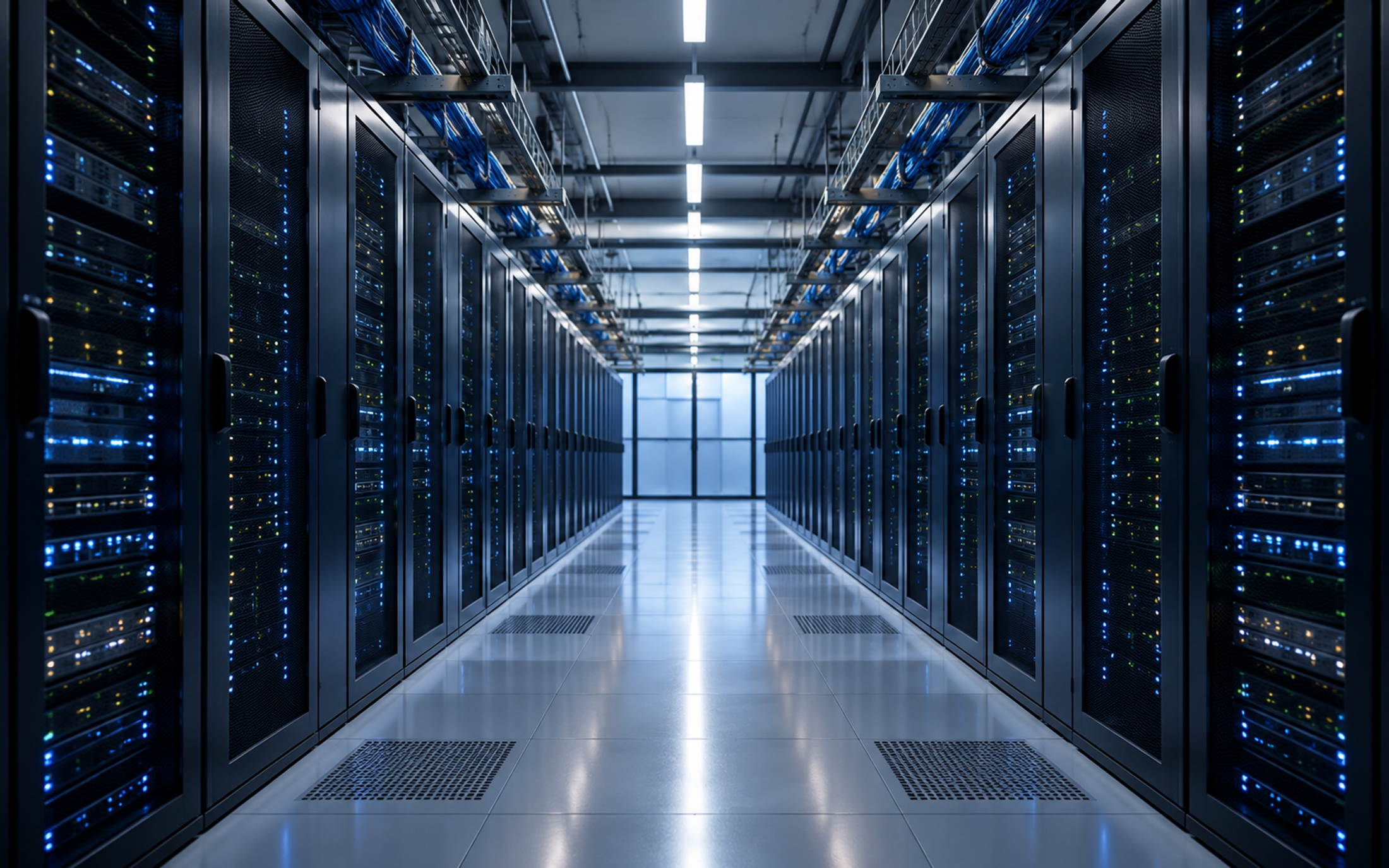
As digital technologies continue to transform industries worldwide, the demand for reliable data storage and processing infrastructure is increasing. Cloud Computing, Artificial Intelligence (AI), the Internet of Things (IoT), and online services all depend on facilities capable of processing, storing, and transmitting vast amounts of information.
At the center of this digital ecosystem is the Data Center, a critical infrastructure facility that supports the continuous operation of today's digital services.
1. What Is a Data Center?
A Data Center is a purpose-built facility designed to accommodate information technology (IT) infrastructure, including:
- Servers
- Data storage systems
- Network equipment
- Data communication infrastructure
Its primary objective is to provide a secure, stable, and highly reliable environment for IT operations, often supporting services that must remain available around the clock.
2. Why Are Data Centers Different from Conventional Buildings?
Although Data Centers may appear similar to office buildings or industrial facilities, their engineering and operational requirements are significantly more demanding.
Unlike conventional developments, Data Centers must integrate multiple critical systems to minimize operational interruptions and protect valuable IT infrastructure.
Electrical Systems
Reliable power supply is one of the most important requirements of a Data Center.
Depending on the facility's operational objectives and design requirements, electrical infrastructure may include multiple levels of redundancy, Uninterruptible Power Supply (UPS) systems, and backup generators.
These systems help maintain continuous operations during power disturbances or utility failures.
Cooling Systems
Servers and other IT equipment generate substantial heat during operation.
Data Centers therefore require efficient and reliable cooling systems to maintain suitable environmental conditions and prevent equipment overheating.
Cooling performance, energy efficiency, system redundancy, and maintainability are key considerations during design and construction.
Fire Protection Systems
Data Centers require carefully planned fire detection and suppression systems to protect both personnel and sensitive IT equipment.
Depending on the application and applicable regulations, these may include clean agent fire suppression systems, which are designed to suppress fires without leaving residue on electronic equipment.
Security Systems
Security is another essential component of Data Center infrastructure.
Physical security measures may include access control, CCTV surveillance, restricted areas, and monitoring systems.
Cybersecurity is equally important to overall Data Center operations, although it is primarily addressed through IT architecture, network protection, and operational security policies.
3. International Data Center Standards
Data Center projects commonly refer to recognized international standards and guidelines, including:
- Uptime Institute Tier Standard
- ANSI/TIA-942
- ISO/IEC 22237
These standards address different aspects of Data Center infrastructure, including availability, resilience, facility design, and supporting engineering systems.
The appropriate requirements depend on the project's intended operational performance, design objectives, and applicable certification framework.
4. Data Center Investment and Construction Trends
The rapid development of AI, cloud services, and the digital economy is increasing demand for Data Center capacity.
Across Southeast Asia, including Thailand, growing interest from cloud service providers and digital infrastructure investors is creating opportunities for new Data Center developments.
This trend is also generating demand for specialized engineering, electrical and mechanical systems, construction delivery, and professional project management services.
As a result, Data Centers represent an increasingly important market segment for the construction and engineering industry.
5. The Role of Project and Construction Management
Developing a Data Center requires close coordination among multiple engineering disciplines, specialized contractors, equipment suppliers, and project stakeholders.
Effective Project Management (PM) and Construction Management (CM) are important in supporting successful project delivery.
Key responsibilities include:
- Project Planning and Scheduling: Establishing realistic construction schedules, key milestones, and implementation strategies.
- Multidisciplinary Coordination: Coordinating architectural, structural, electrical, mechanical, and IT infrastructure requirements.
- Quality Management: Monitoring construction quality and compliance with approved designs, specifications, and project requirements.
- Cost and Contract Management: Supporting budget control, procurement coordination, and contract administration.
- Risk Management: Identifying and managing technical, schedule, procurement, and construction-related risks.
- Testing and Commissioning Coordination: Supporting the coordination of system testing, integrated commissioning, and handover readiness.
These activities are particularly important in projects where reliability, system integration, and operational continuity are critical success factors.
6. ONE-M Perspective
The continued growth of AI, cloud computing, and digital services is strengthening the role of Data Centers as essential infrastructure for the modern economy.
However, delivering a successful Data Center involves more than constructing a building. It requires careful integration of engineering systems, detailed coordination, effective risk management, and a structured approach to project delivery.
At One Management Co., Ltd. (ONE-M), we recognize the importance of professional Project Management and Construction Management in supporting increasingly complex developments.
Through systematic planning, multidisciplinary coordination, quality management, and project controls, ONE-M is committed to supporting project owners in achieving their development objectives with efficiency, reliability, and professional excellence.

Written byArachapond Thinon