Sustainable Construction··4 min read
Circular Construction: Building a More Resource-Efficient Future
By ONE-M
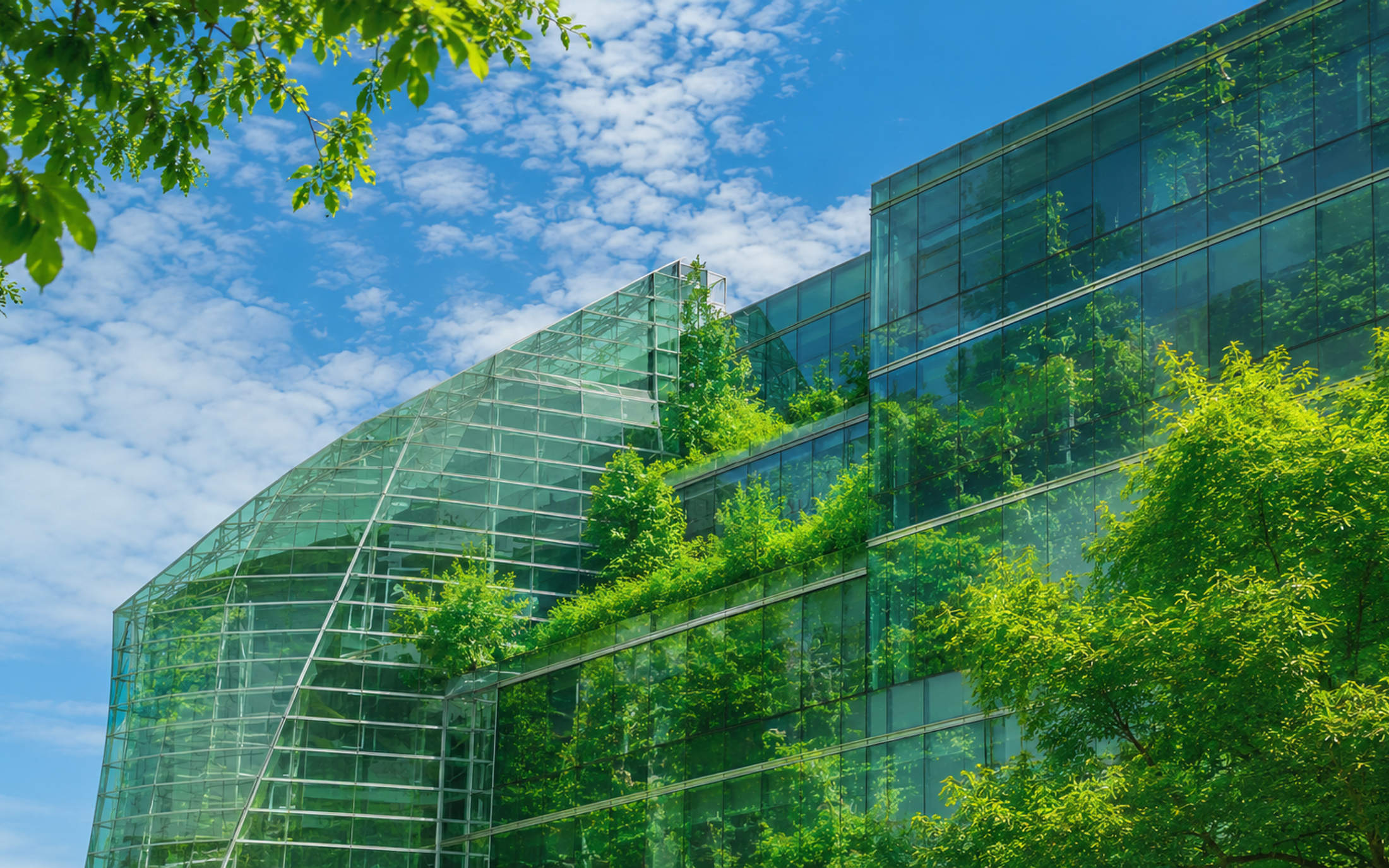
The construction industry is one of the sectors that consumes significant amounts of natural resources and generates substantial waste, from raw materials used in building products to waste produced during construction, renovation, and demolition.
As sustainability becomes increasingly important, the industry is gradually moving away from the traditional linear “take–make–dispose” model toward a Circular Economy. One of the key approaches bringing this concept into the built environment is Circular Construction.
What is Circular Construction?
Circular Construction is an approach to developing and managing buildings with resource efficiency in mind throughout their entire life cycle.
This includes design, material selection, construction, operation, renovation, adaptation, and eventual deconstruction. Rather than considering materials only during the construction phase, the approach looks at how resources can remain useful for as long as possible.
The goal is to reduce the demand for new resources, extend the useful life of materials and building components, and minimize waste.
Key Principles of Circular Construction
1. Design for Disassembly
Buildings and components can be designed so that they are easier to dismantle, replace, or separate at the end of their service life. This can create opportunities for components and materials to be reused rather than discarded.
2. Material Reuse
Where appropriate, materials and building components can be selected with future reuse in mind, helping extend their useful life and reduce demand for newly manufactured materials.
3. Material Recycling
Circular Construction also encourages the use of recycled materials and materials that can be recovered or recycled when they reach the end of their useful life.
4. Life Cycle Thinking
Decisions are considered across the entire building life cycle rather than focusing only on the construction stage. This helps project teams better understand the long-term implications of design, material, and construction choices.
Benefits of Circular Construction
- Reduces construction and demolition waste
- Reduces demand for new natural resources
- Helps reduce emissions associated with the production of new materials
- Supports broader ESG and Net Zero objectives
- Improves long-term resource efficiency
Examples of Circular Construction in Practice
- Reusing structural steel or other suitable building components
- Using recycled aggregates in appropriate road or foundation applications
- Selecting materials and components that can be replaced, repaired, or dismantled more easily
- Designing buildings to accommodate future changes in use
- Planning material and waste management from the early stages of a project
Current Industry Direction
Circular Construction is gaining increasing attention internationally, particularly as governments and organizations strengthen policies and practices related to resource efficiency, waste reduction, and the circular economy.
In Thailand, the concept is still developing, but interest in sustainable materials, construction waste reduction, and life-cycle resource management is growing among developers and organizations.
As sustainability requirements continue to evolve, considering the whole life cycle of a project is likely to become increasingly important in project planning and delivery.
The Role of Project and Construction Management
Implementing Circular Construction successfully requires more than selecting sustainable materials. Many decisions need to be considered from the early stages of a project and coordinated throughout design and construction.
Project Management (PM) and Construction Management (CM) can support this process by:
- Supporting the evaluation of appropriate materials and construction approaches
- Coordinating owners, designers, contractors, and other project stakeholders
- Planning material use and construction waste management
- Monitoring implementation against the project’s sustainability objectives
- Helping integrate sustainability considerations with cost, quality, schedule, and constructability requirements
ONE-M Perspective
Circular Construction demonstrates that sustainability is not achieved through material selection alone. It requires a broader approach to planning, designing, constructing, operating, adapting, and eventually deconstructing buildings.
At ONE-M, we believe effective project management should balance quality, time, cost, and environmental responsibility. By considering these factors throughout the project life cycle, project teams can help create developments that deliver lasting value while using resources more responsibly.